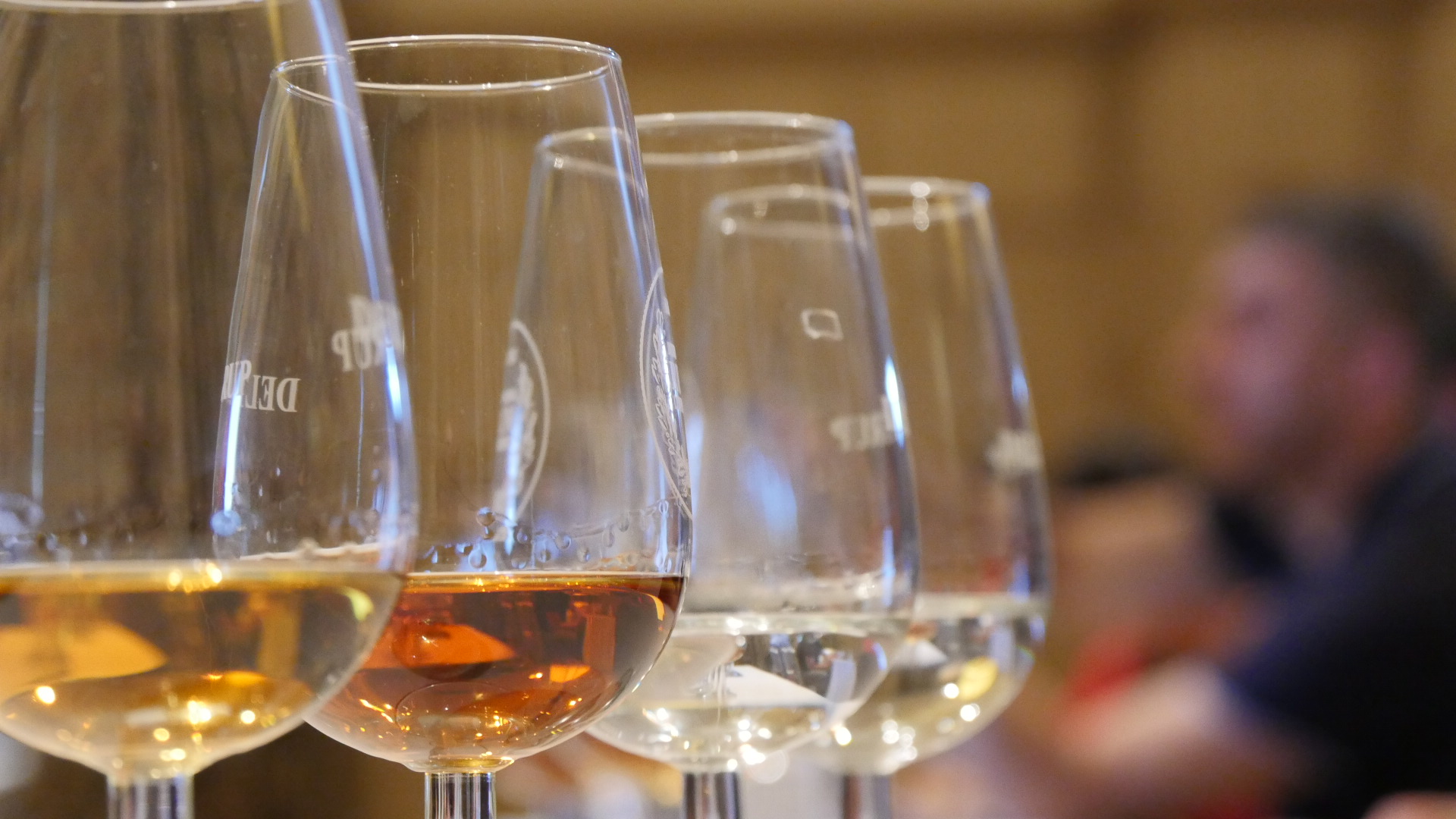
Nose tasting
Recognising aromas, faults and the aroma families of rum.
Training
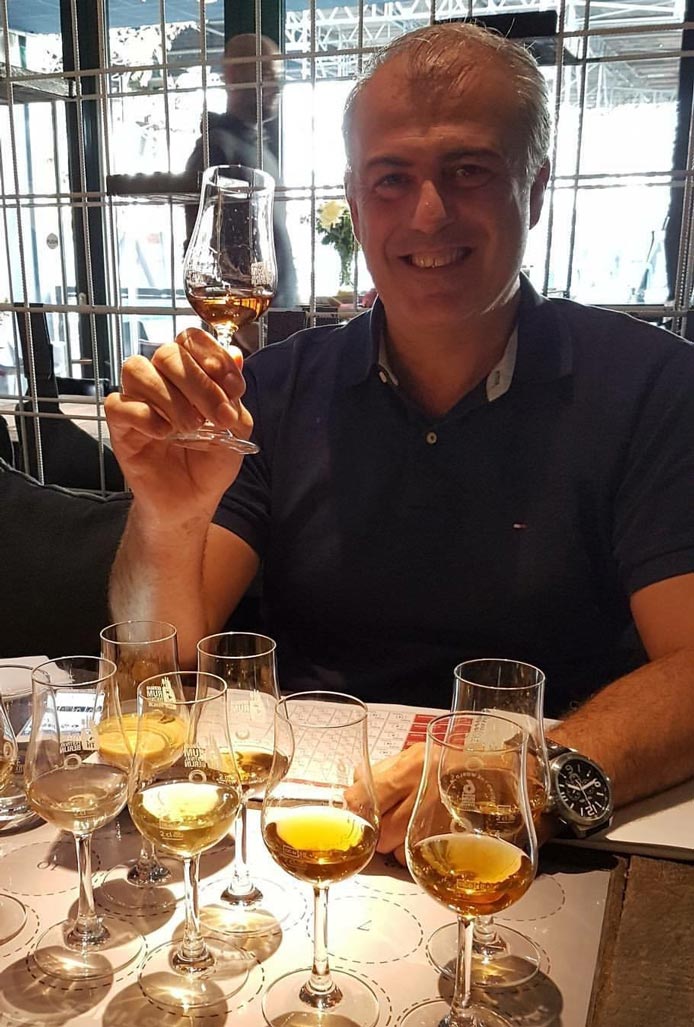
We train beverage company teams in structured phases, with expert tasters across several spirits and rum as our speciality.
These training programmes provide specialist knowledge across the world of spirits, including their history, production methods, applications and commercialisation. Participants gain a thorough understanding of the principles behind spirits production and the applicable legal requirements.
The training develops practical skills in producing different spirits through fermentation and distillation exercises tailored to each company's needs. It also includes sensory analysis modules that teach participants to identify and appreciate the distinctive and quality characteristics of each beverage category.
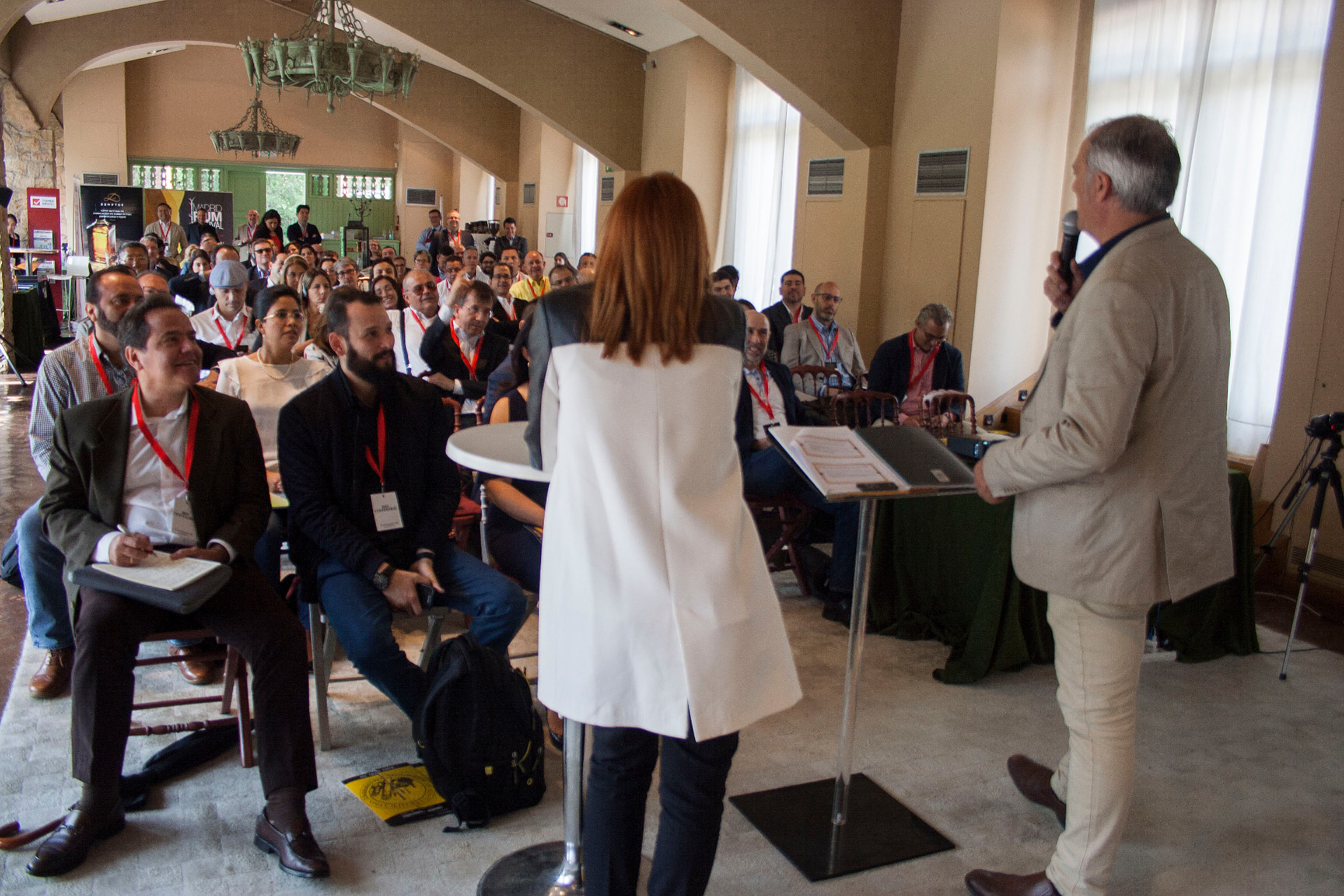
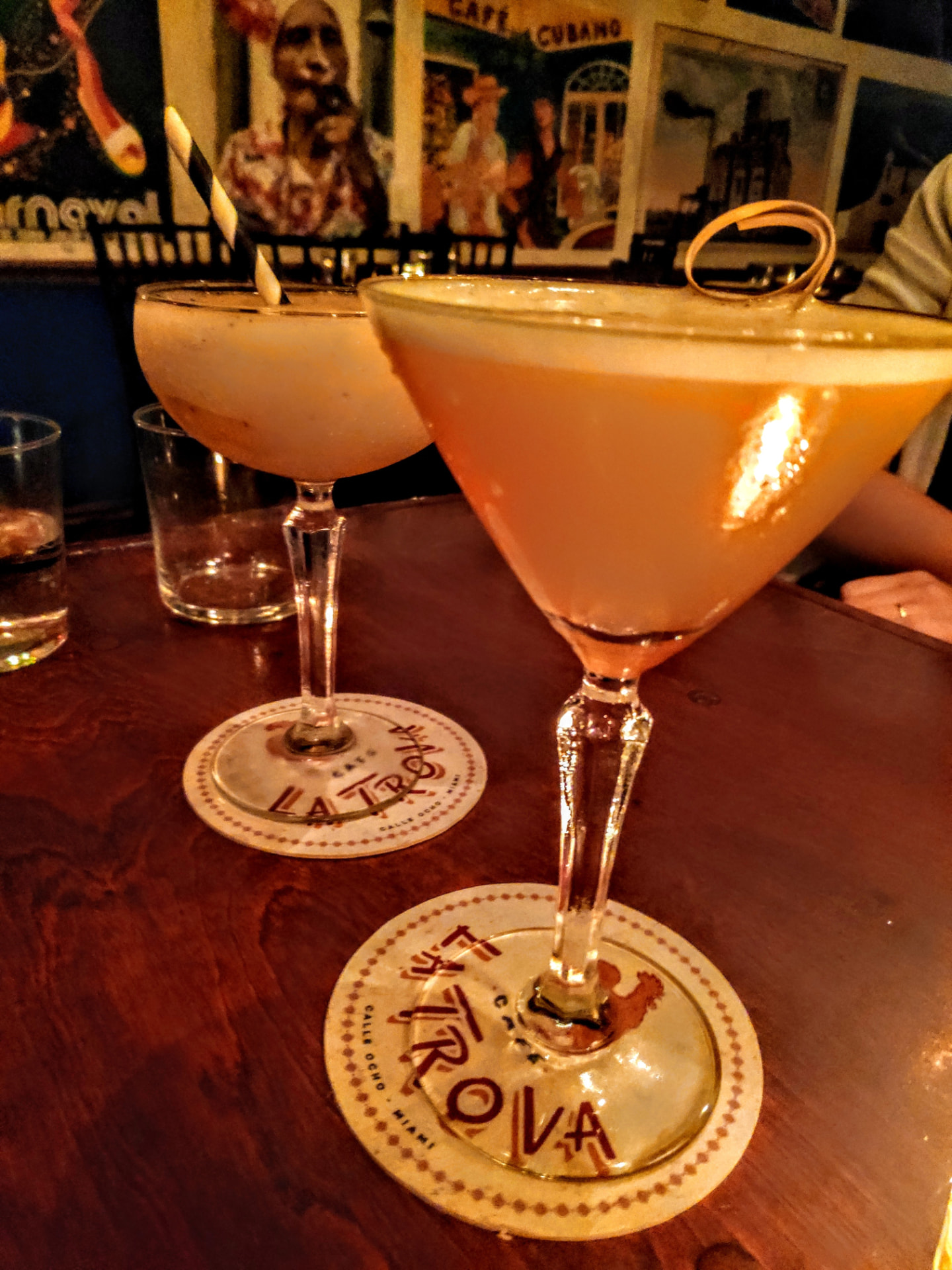
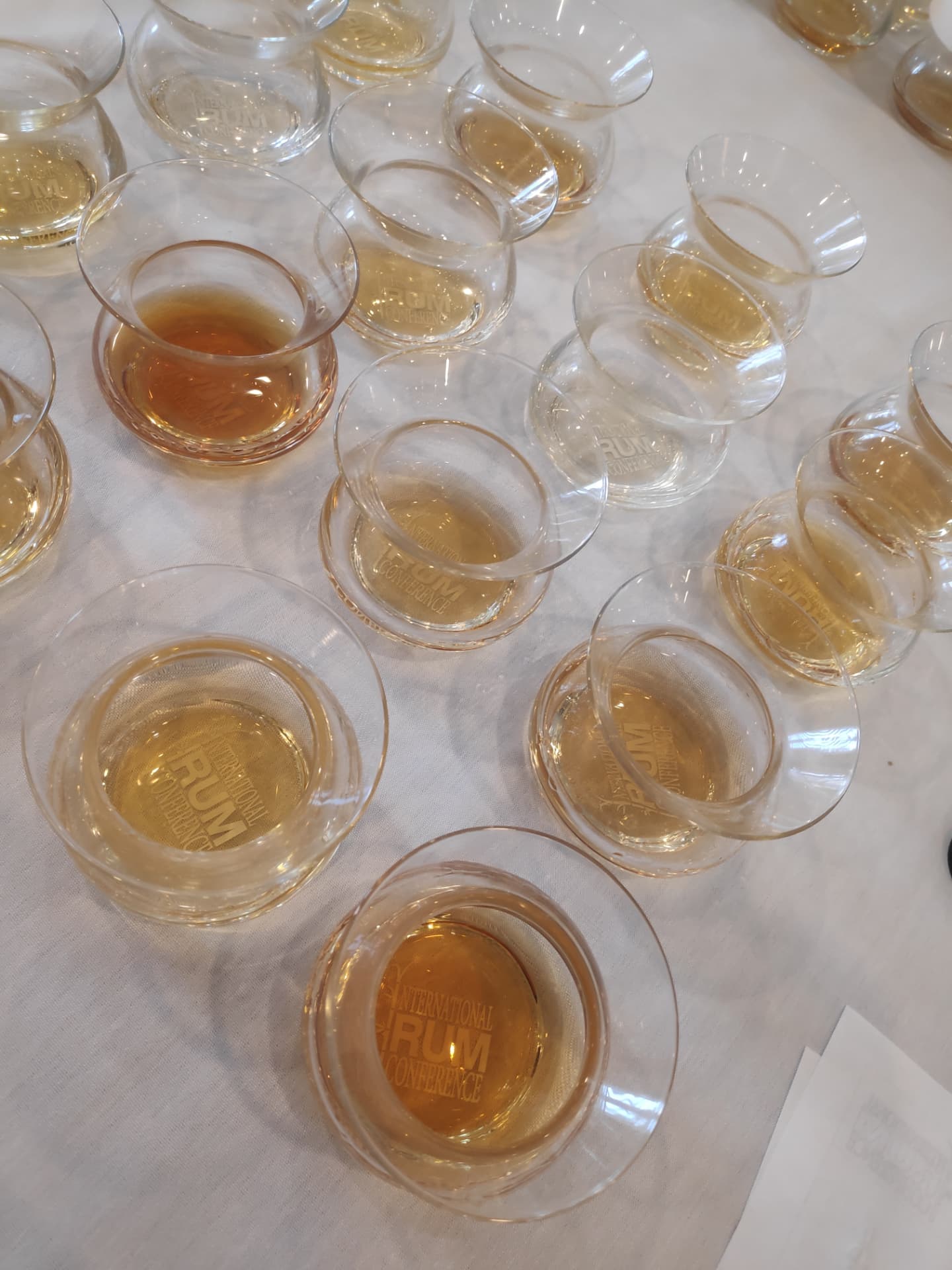
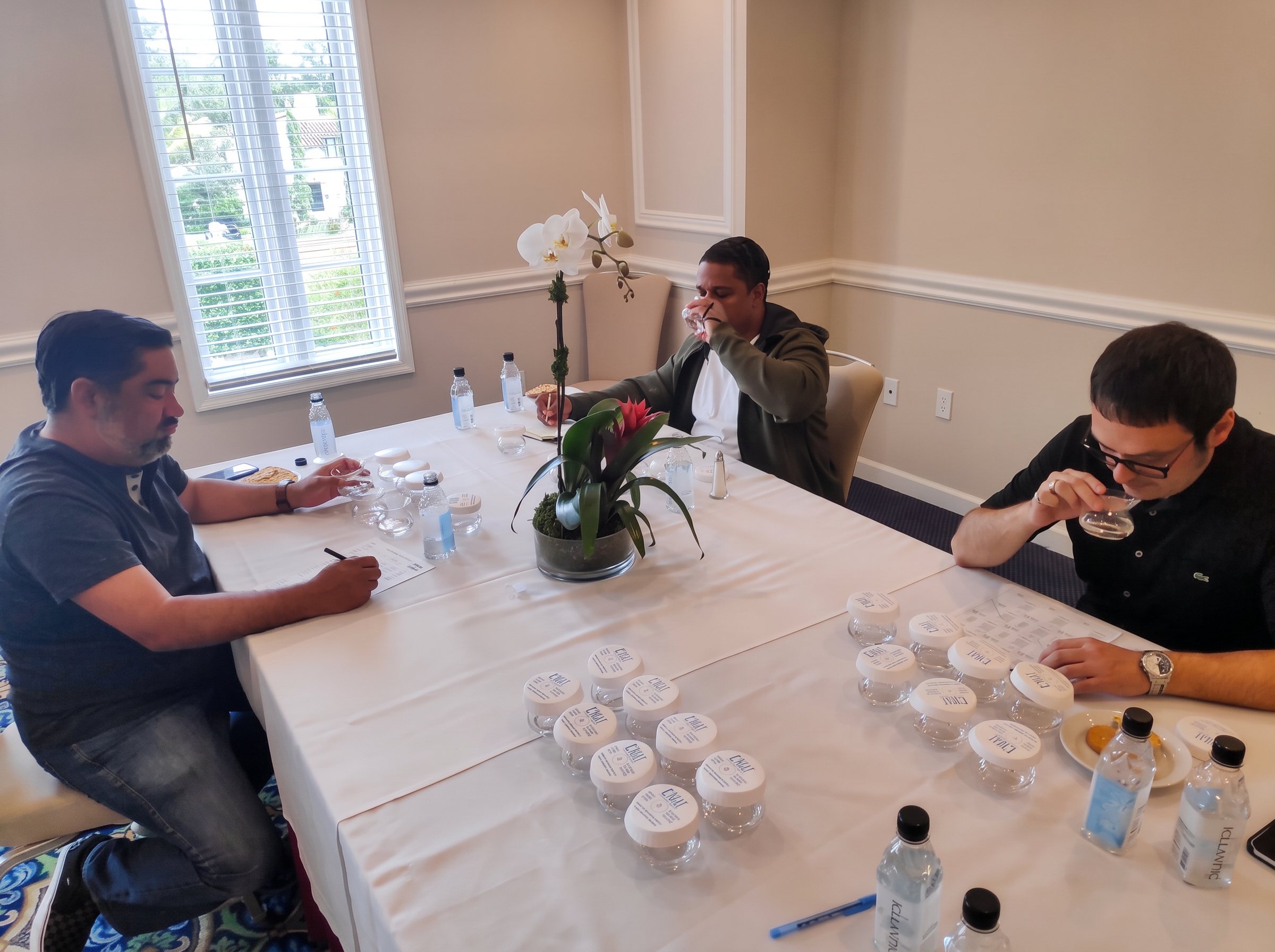
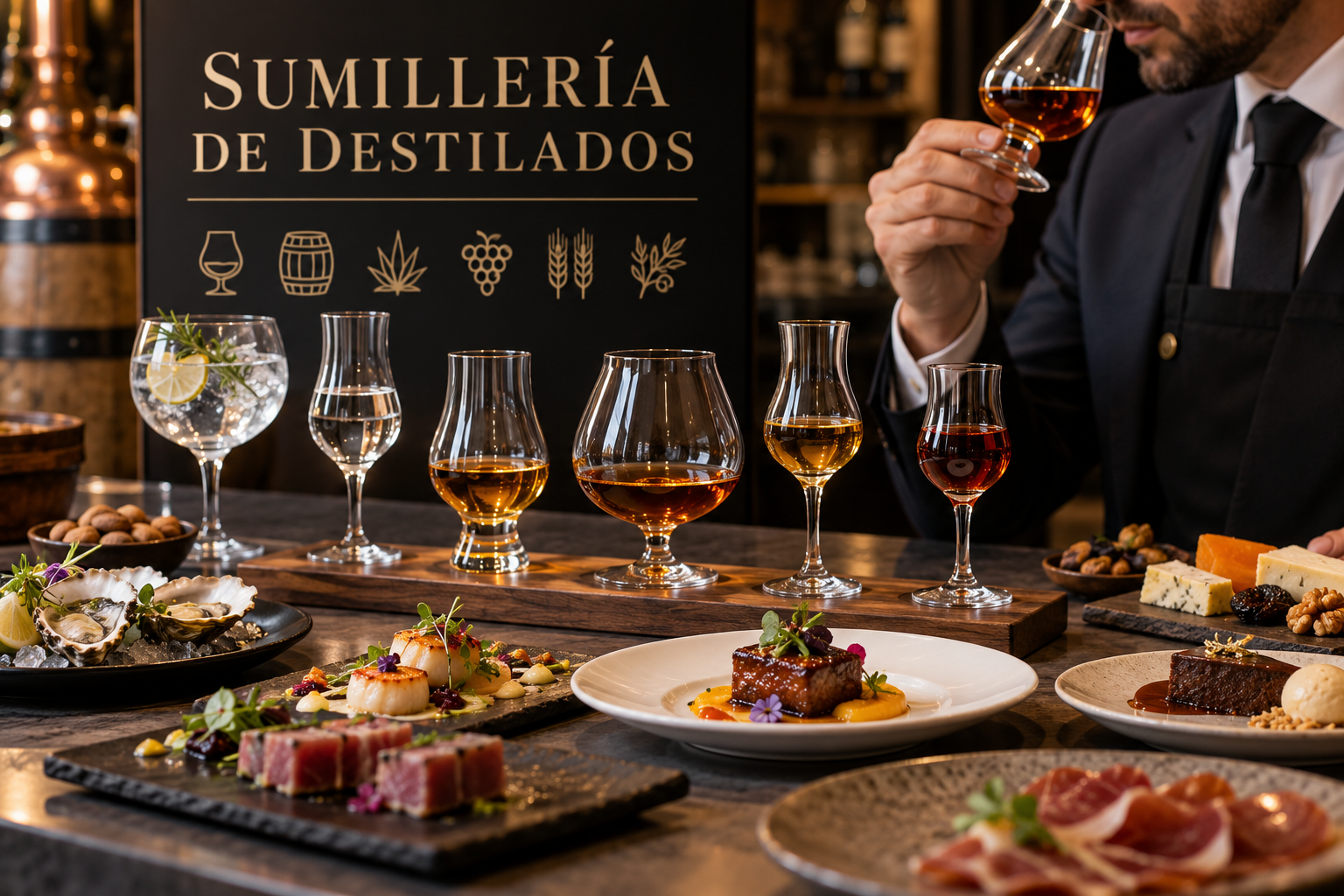
The main purpose is to train or retrain the staff of beverage companies, above all those dedicated to sugarcane distillates, building their personal and professional capabilities for their own benefit and that of the organisation.
The programme raises employability and productivity and works towards the company's general objectives. It is a cyclical process of continuous improvement, shaped by the company's future projects.
Through a specific capacity-building programme we train employees in every role of a spirits company, with professionals who are also good trainers.
This investment in training delivers long-term benefits: it improves employee satisfaction, strengthens their motivation to keep progressing and helps them feel actively involved in the company.
By the end of the training, participants will be able to:
Recognising aromas, faults and the aroma families of rum.
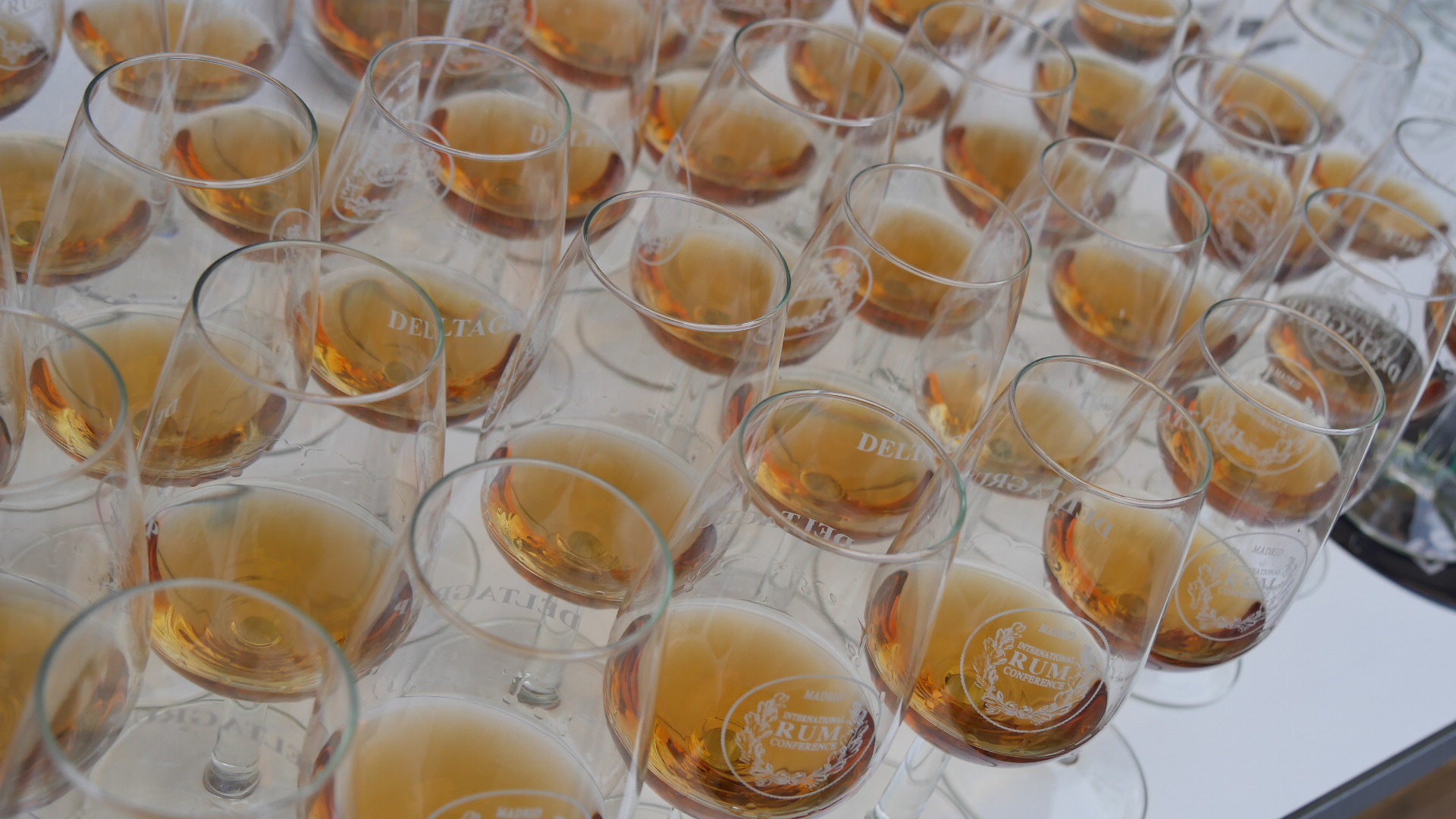
Structure, sweetness, wood, balance and length on the palate.
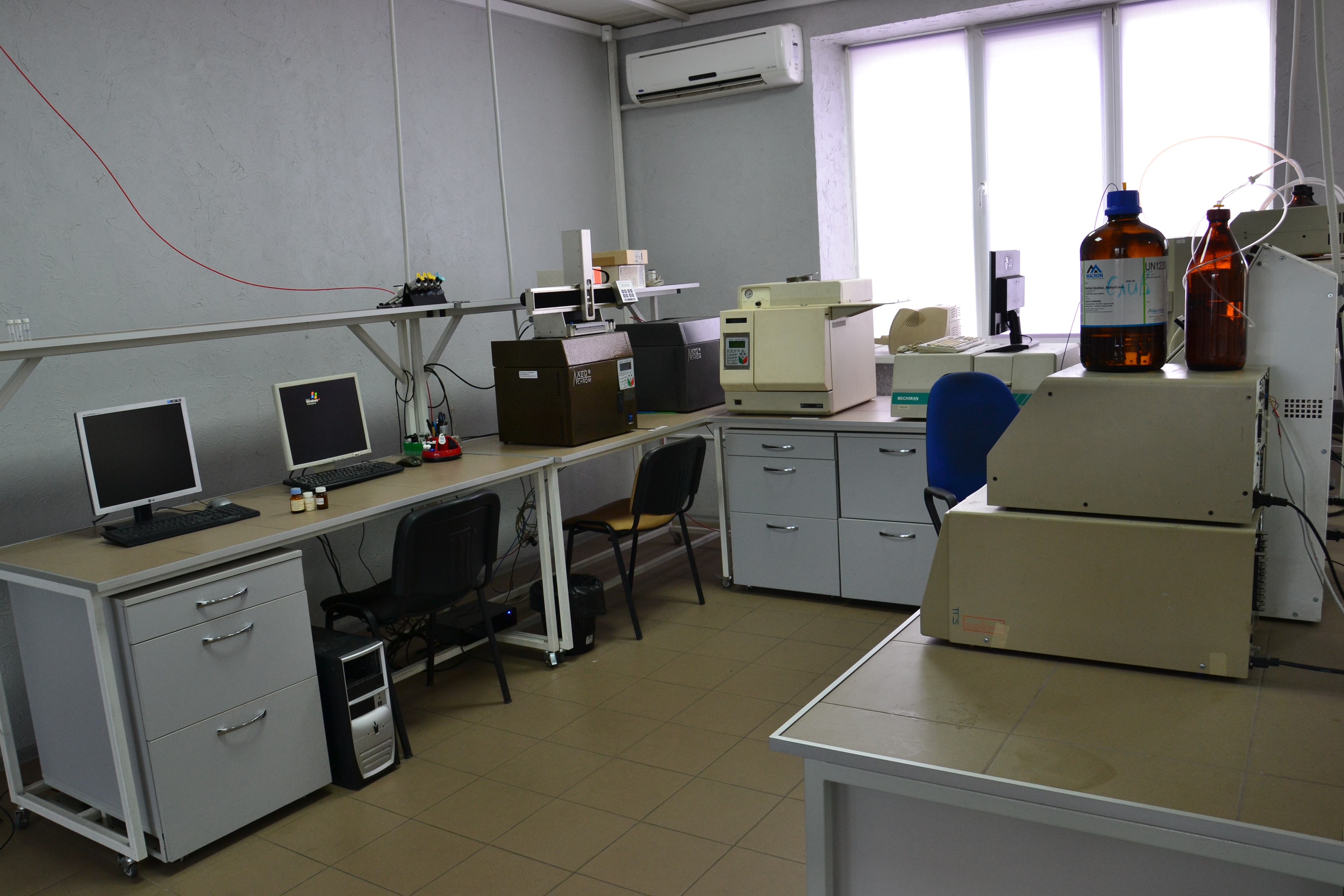
Analytical reading of congeners and objective product control.
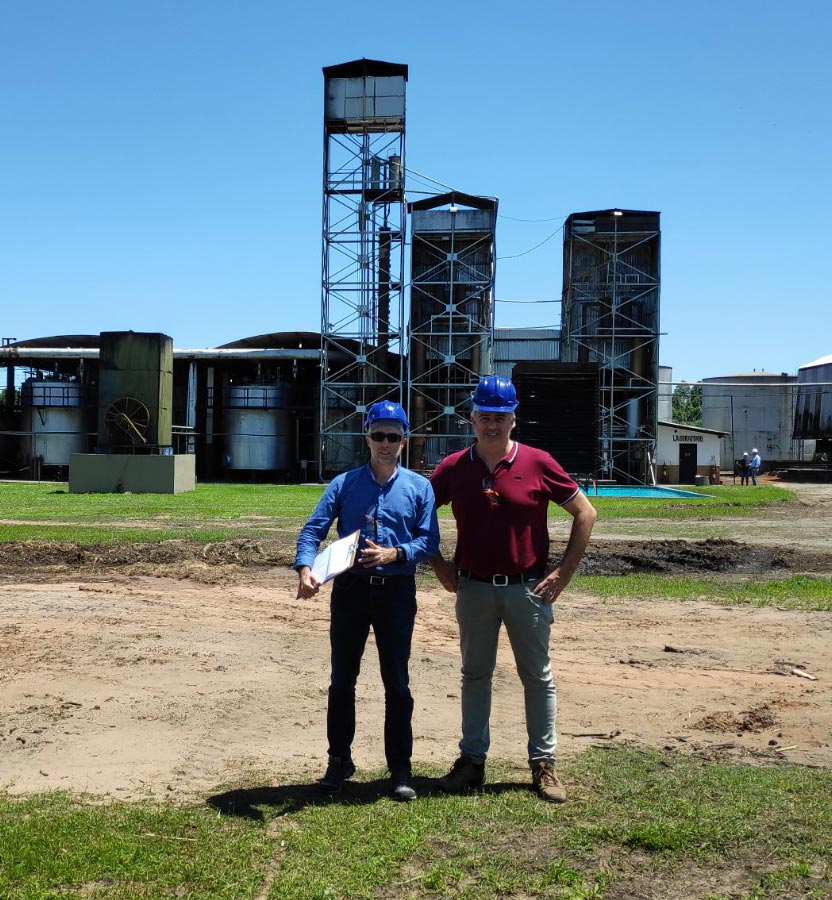
Thinking of producing rum? We guide every step of production, from selecting the sugarcane to bottling and distributing the finished product.
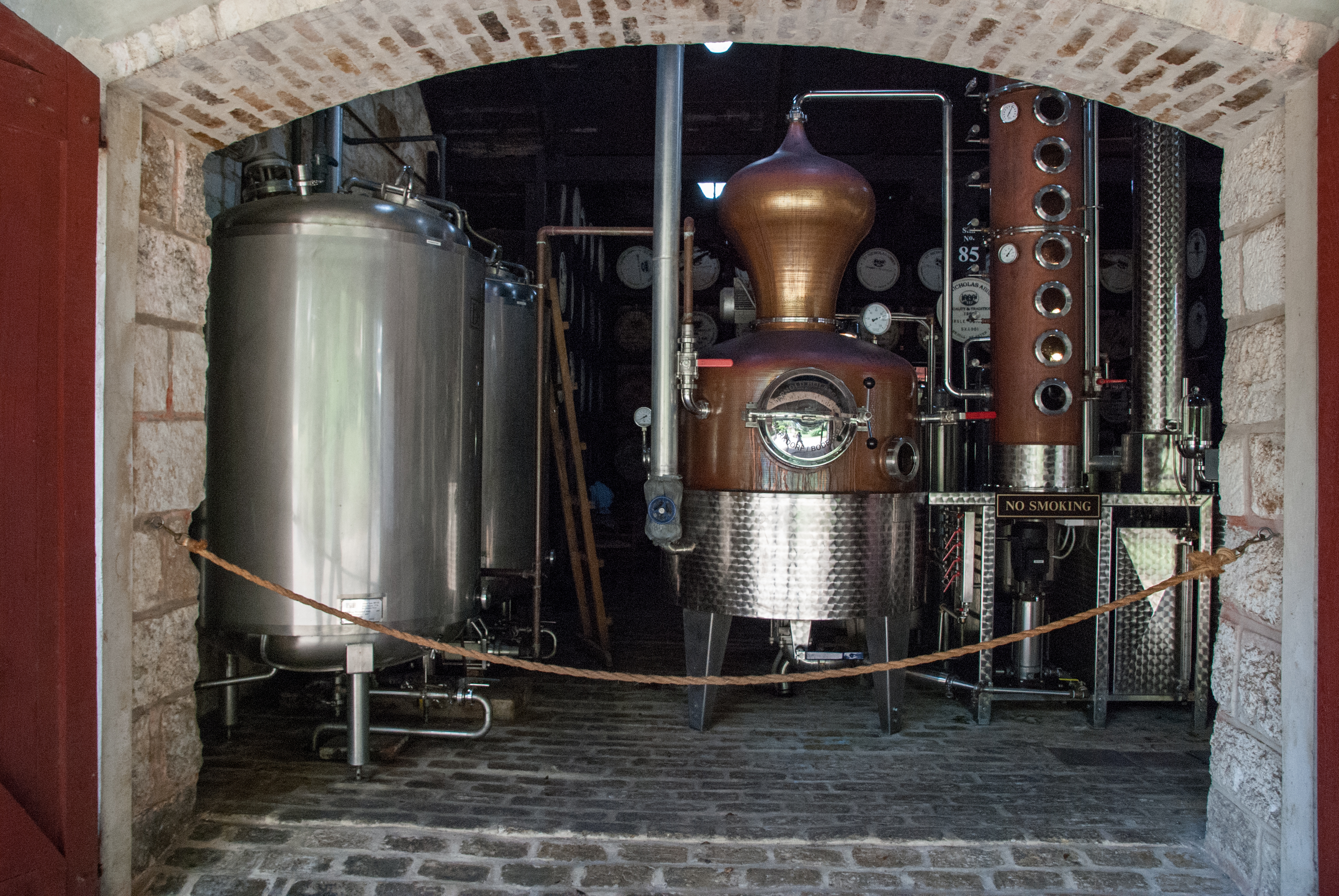
Want to build a new distillery or modify the one you have? We bring together every expert needed to deliver your distillery turnkey or adapt it to new production needs.
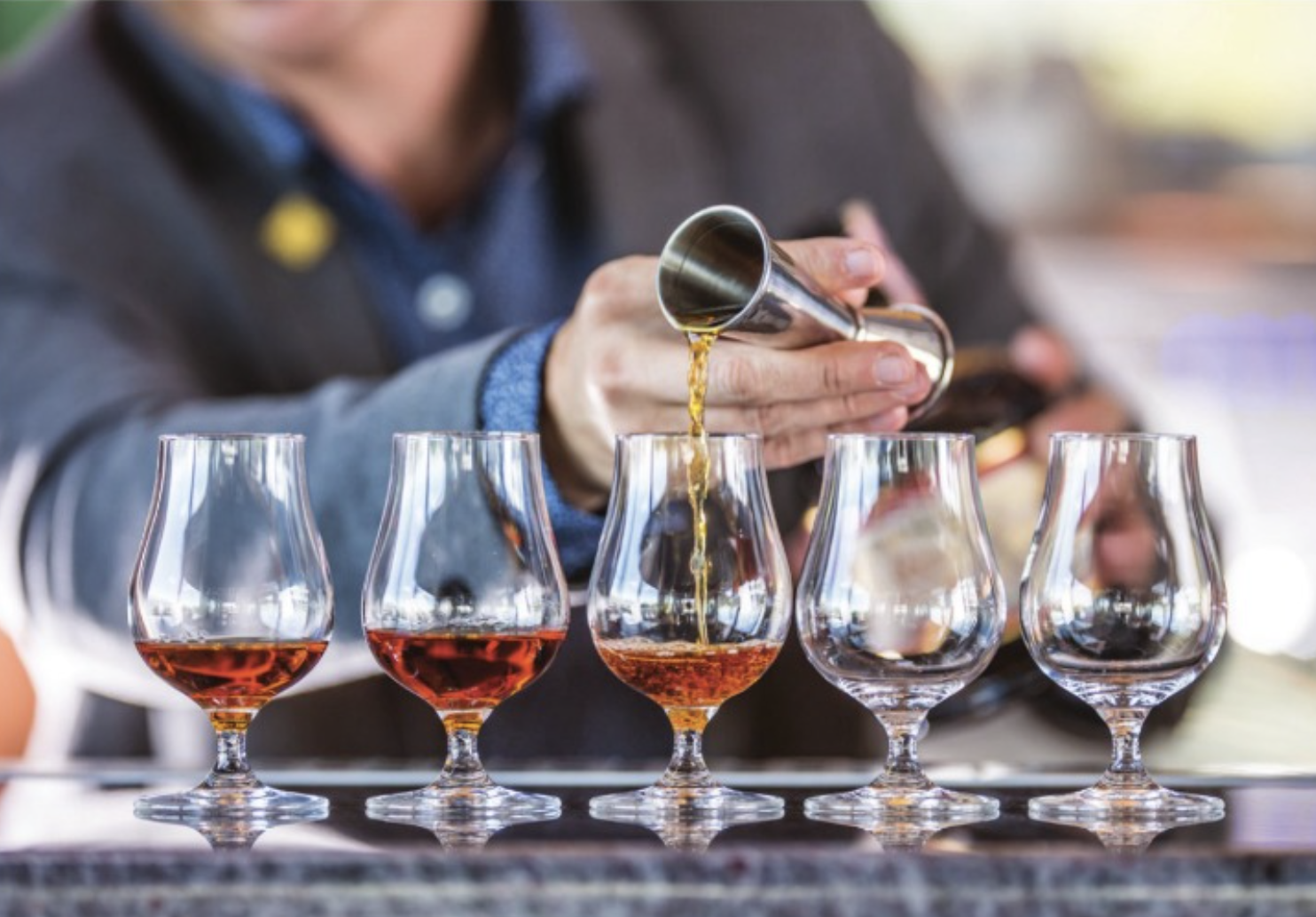
We turn a brand idea into a real, repeatable, stable product: sensory profile, blending, strength, barrel finish and a technical sheet ready for production.
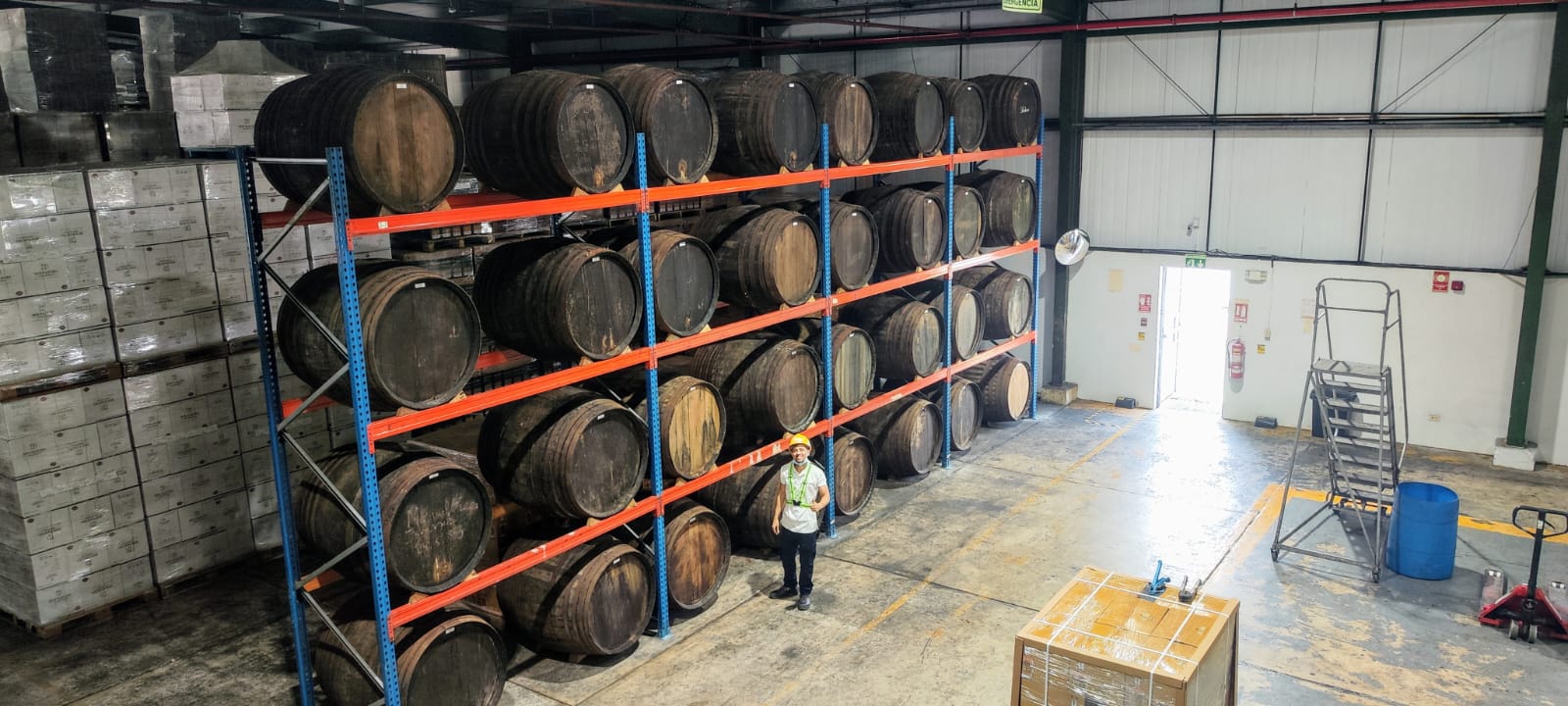
We are specialists in building ageing warehouses and in warehouse control and management. Need new barrels, or better ones? We design your ageing warehouse with the strongest guarantees for rum maturation and for controlling evaporation losses.
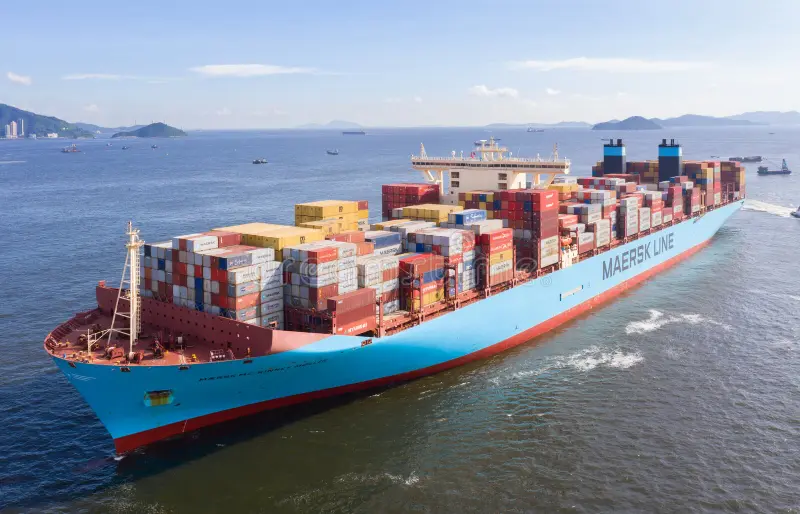
We sell rum selected from our own barrels, cane alcohol at various strengths and heavy cane spirits, shipped in isotank or in barrel.
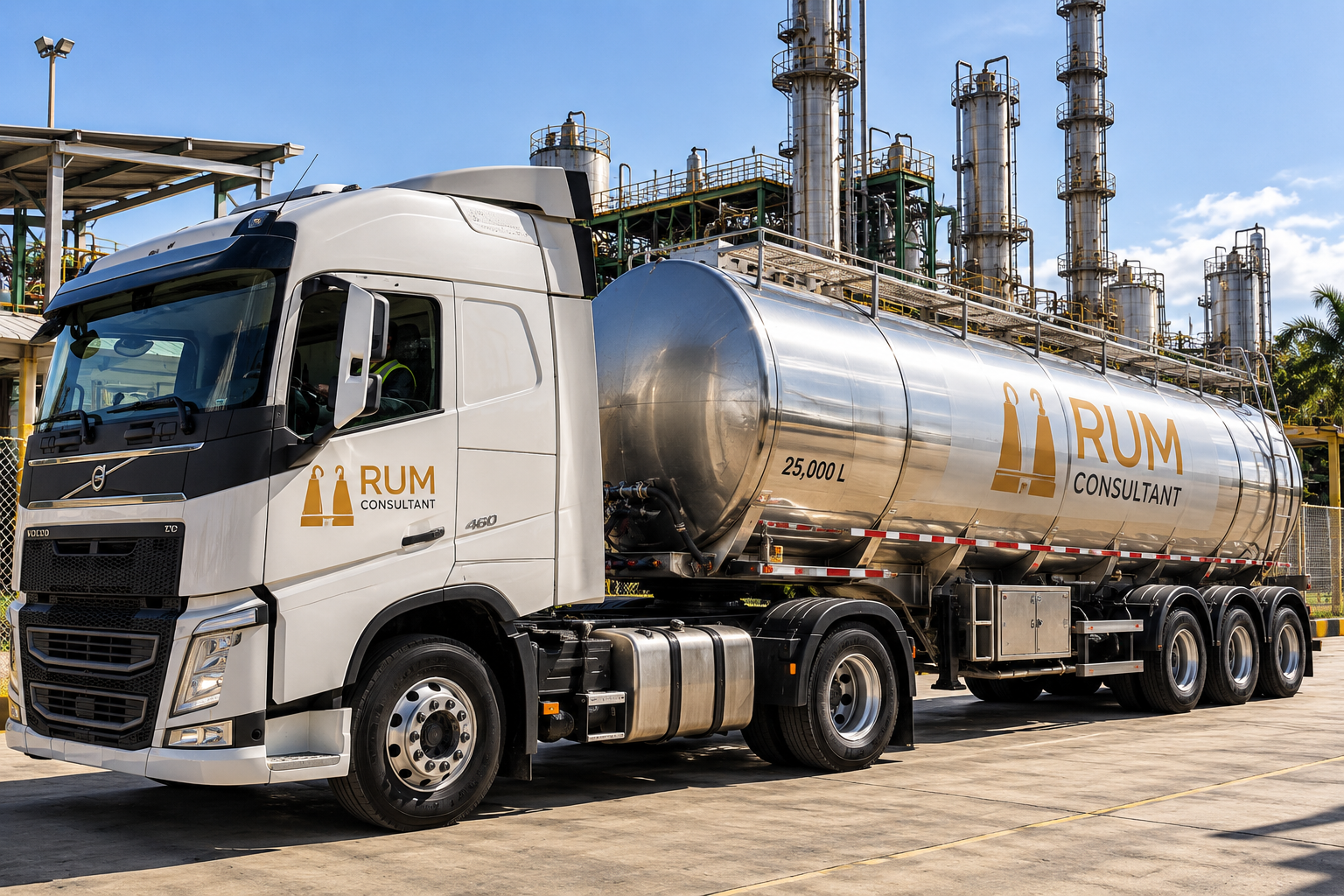
We select cane alcohol and spirits to match each client's required profile, strength and destination, with technical control from the first sample to delivery.
Tell us where your distillery or your brand stands today and we will tell you, with no commitment, how we can help and on what timeline.